Godzilla vs. Mechagodzilla II (1993)

By the early 90s there were two huge crazes running rampant through the minds of the world’s youth. The 80s brought a resurgence of robot obsessions with Transformers and Gundam, but equally if not more enticing was the concept of DINOSAURS. Growing up in the 80s and 90s, I had caught dino fever from an early age. My parents graciously got every Rupert Oliver dinosaur book which detailed the environment and diet of different species, and told a story for each one that made learning engaging. I had a set of about 100 cards with realistic dinosaur illustrations and impossibly small text packed full of information on each one. These are a few of the things that taught me how to read. Movies and TV shows tapped into this interest with Land Before Time, Dino-Riders, and even Barney and Friends. But those were all small potatoes compared to what was to come in 1993. A legendary director would use skillful practical effects to spin a tale of genetic engineering gone wrong. That’s right, 1993 was the year Roger Corman’s Carnosaur came out! Just kidding; while Corman’s low-budget schlocky horror flick did release a few weeks prior, Spielberg’s Jurassic Park mesmerized audiences with some of the best effects ever seen and changed film forever. While Jurassic Park is inarguably a better movie, arguably one of the best films ever made, I still have a soft spot for Carnosaur. It is not good, but it is way off the deep end, the effects are fun, and for an 11 year old kid was excitingly violent and gory. And for anyone who appreciates practical effects on a low budget, Roger Corman was one of the best. It’s worth watching his films if for nothing else than to appreciate how far he could stretch a dollar, and how many greats were graduates from the “Roger Corman Film School.” Not an official organization, but Corman was an independent pioneer who worked with and influenced Francis Ford Coppola, James Cameron, Jack Nicholson, Ron Howard, Martin Scorcese, Joe Dante and many others. Joining Spielberg and Corman in the ’93 dinosaur rampage through the silver screen was returning director Takao Okawara in Godzilla vs. Mechagodzilla II.

Read More
All Monsters Attack (1969)

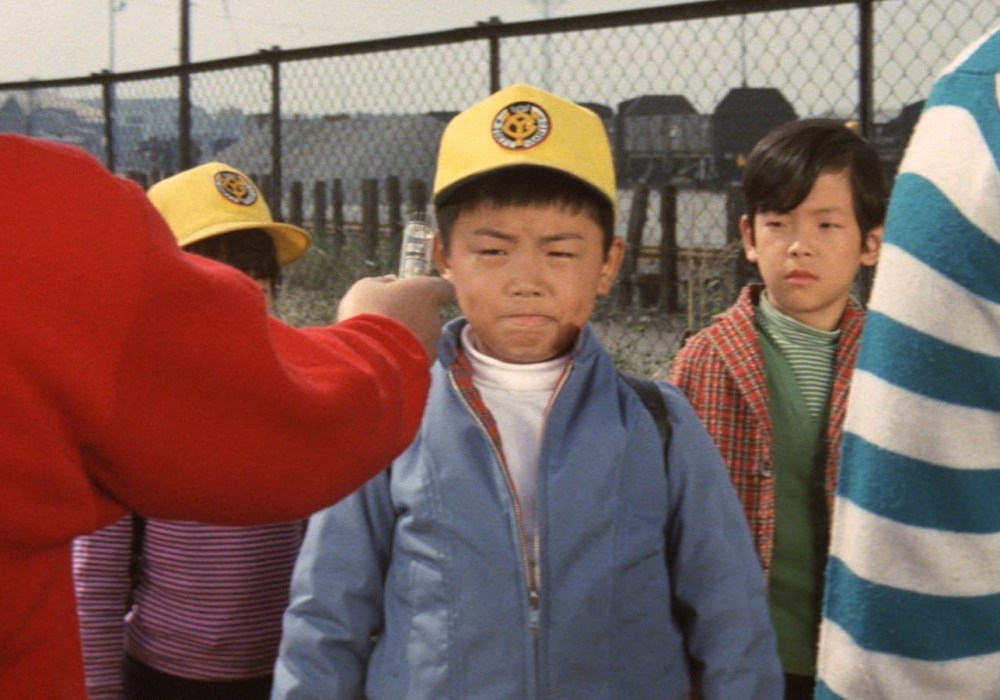
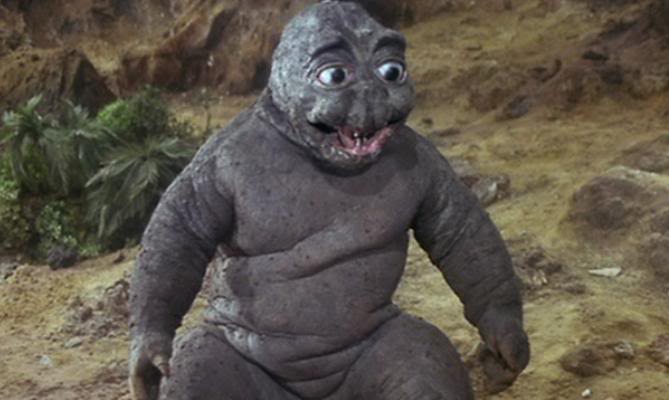
All right haters, bring on the tomatoes! All Monsters Attack is good, and you should all feel bad about hating it. In 1969, Japan was in the midst of an economic boom. Long since merely recovering from the war, government policy had been focused on, and succeeding at, doubling the size of their economy. Industrialization and social safety nets transformed Japanese life from just getting by to having more disposable income to spend recreationally, and the US’s partnership offered an enormous market for exports. Would they have been so successful if the US hadn’t been trying to combat communism? Foreign aid and trade deals were given as a way to ensure that Japan was a success story in spreading democracy, and that its citizens did not become disgruntled, impoverished, and susceptible to Soviet influence. With all this though came a social epidemic: the latchkey kid. Many families became two-income households, and children were often left to their own devices after school. All Monsters Attack is a meta-film that uses kaiju as an escapist backdrop while wrestling with feelings of loneliness and anxiety, and learning the importance of self-reliance.

Read More

Son of Godzilla (1967)

Well. It had to happen sooner or later. If you ever wanted to simulate taking edibles while having a fever as a toddler begs for your attention, Son of Godzilla is your movie. It’s kinda trippy, and not in a good way. There are some emotional notes, and some of the creature designs are pretty mint, but overall this movie is a pain in the ass. Mystery Science Theater 3000 lampooned a couple of Godzilla movies, notably the A+ previous feature Ebirah, Horror of the Deep, but this should have been at the top of their list.

The film is, however, predicated on a team of scientists researching weather control in order to solve global food shortages. In 1967, the Great Chinese Famine of 1959-1961 was still part of recent memory. The planned economy of China’s Great Leap Forward saw local governors over-reporting harvests, which were confiscated and redistributed at the State’s discretion, and rationed to the newly founded people’s communes. The ensuing famine was the largest in history and resulted in tens of millions of deaths. In contrast to that, in India in 1966, there was a famine induced by drought, but it was not nearly as bad. Government aid, as opposed to forced quotas, helped alleviate the situation, as well as sizeable donations of crops from the US. The United States sent an entire fifth of their wheat production to India at this time.

The food shortage threat was very real, but instead of controlling the weather, there was another alternative: genetically modifying crops to thrive in harsh conditions. Enter Norman Borlaug, whose research on wheat in Mexico led him to South Asia in the 60s, and helped India double their wheat production between 1960 and 1970. Borlaug won the Nobel Peace Prize in 1970 and is credited with saving over a billion people worldwide from starvation. So the next time you hear about how awful GMOs are, remember Norman Borlaug, his efforts, the tens of millions who died of famine in China, and just how utterly stupid the scientists are in this Godzilla film in particular.

Read More