Terror of Mechagodzilla (1975)

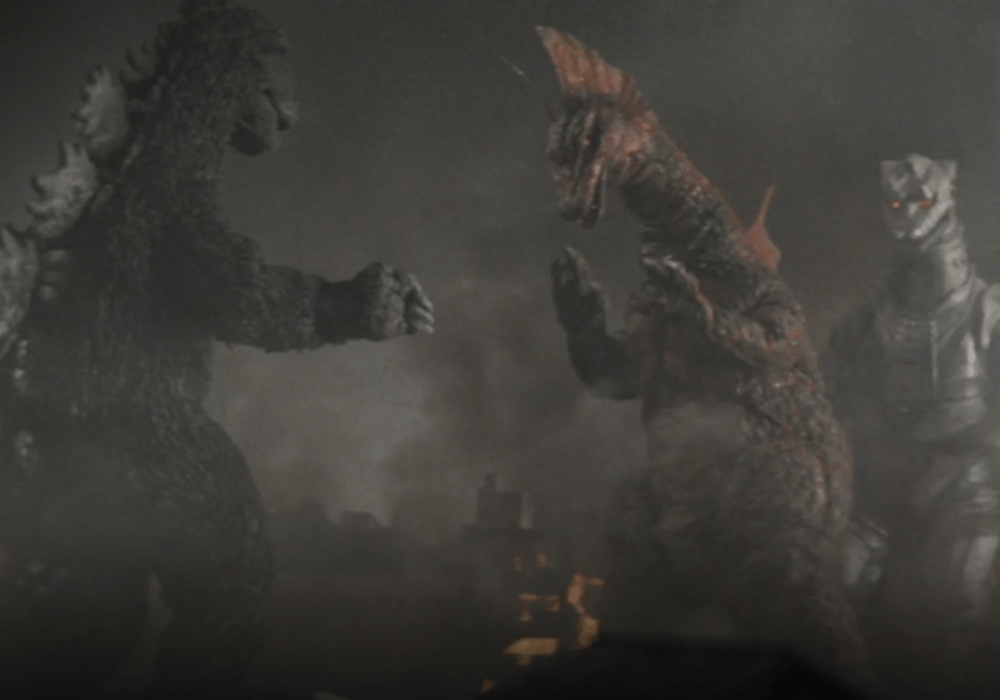
Well, this is it, folks. End of an era. The Showa Era to be precise, and 1975’s Terror of Mechagodzilla closed the book on Godzilla for almost a decade. Unlike Destroy All Monsters, this wasn’t meant to be the end though. Producer Tomoyuki Tanaka wanted to cash in on the success of Godzilla vs Mechagodzilla with a direct sequel, which was greenlit within four months. The script comes from the rare woman screenwriter in the series, Yukiko Takayama, who won a contest. Seems like when Toho is out of ideas (or wants them on the cheap) they’ll just hold a contest, much to the chagrin of the studio’s writers and designers I imagine. This was Takayama’s first writing credit, and she would go on to write more professionally, but is the last woman screenwriter in the franchise (the only other woman, Kazue Shiba, having a co-writer credit on Son of Godzilla). 1975’s Terror of Mechagodzilla also features another feminine rarity in the franchise: some big honkin’ titties.

Read More
All Monsters Attack (1969)

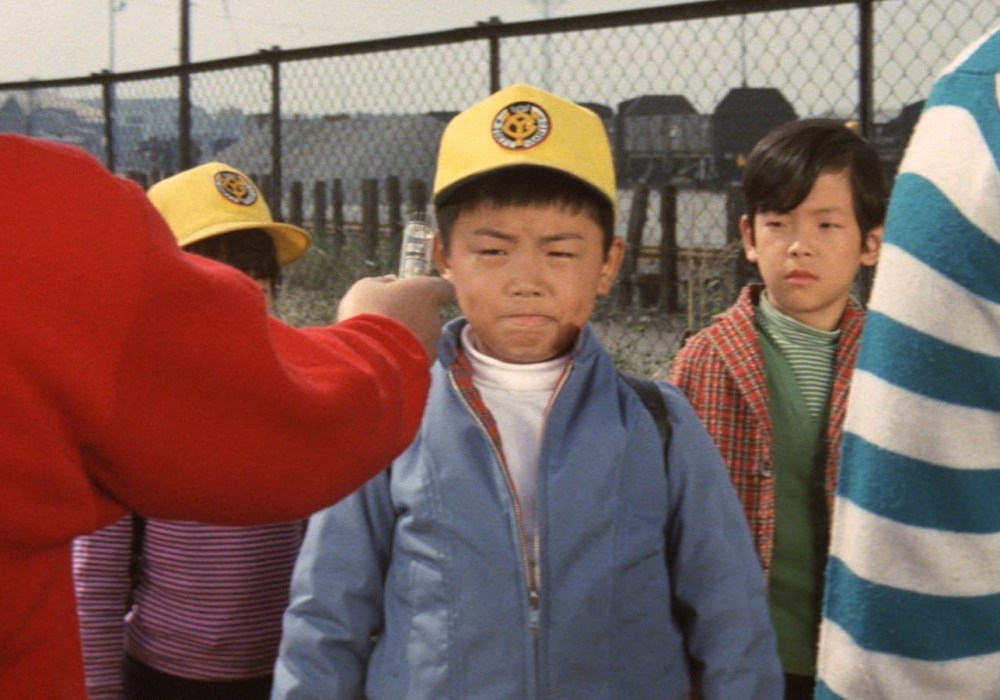
All right haters, bring on the tomatoes! All Monsters Attack is good, and you should all feel bad about hating it. In 1969, Japan was in the midst of an economic boom. Long since merely recovering from the war, government policy had been focused on, and succeeding at, doubling the size of their economy. Industrialization and social safety nets transformed Japanese life from just getting by to having more disposable income to spend recreationally, and the US’s partnership offered an enormous market for exports. Would they have been so successful if the US hadn’t been trying to combat communism? Foreign aid and trade deals were given as a way to ensure that Japan was a success story in spreading democracy, and that its citizens did not become disgruntled, impoverished, and susceptible to Soviet influence. With all this though came a social epidemic: the latchkey kid. Many families became two-income households, and children were often left to their own devices after school. All Monsters Attack is a meta-film that uses kaiju as an escapist backdrop while wrestling with feelings of loneliness and anxiety, and learning the importance of self-reliance.

Read More

Destroy All Monsters (1968)

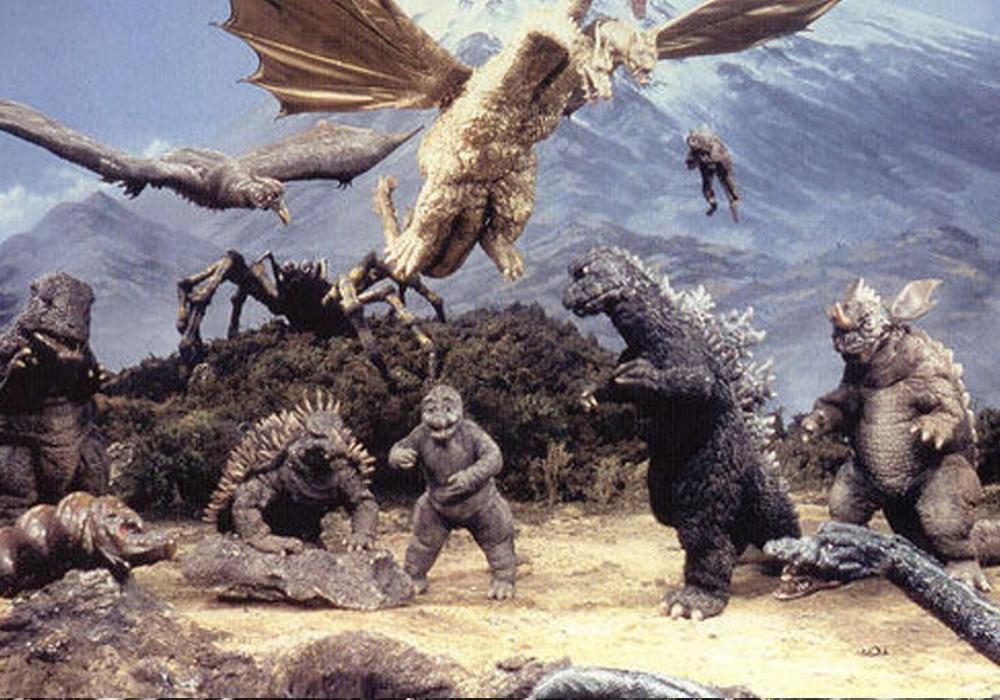
The end. Video, that mad killer, was at it again. Not content with the Radio Star, it set its sights on the kaiju eiga genre. With an expansion of variety and programming broadcast directly into people’s homes, Japan’s film industry was on a decline. And an obvious place to cut costs were special-effects heavy films like the Godzilla franchise. Props, sets, models, costumes, and post-production effects all add up, no matter how cheesy they may seem in retrospect. And so rang the the death knell for Godzilla. Deciding to go out with a bang, producer Tomoyuki Tanaka got director Ishiro Honda back together with composer Akira Ifukube and special effects supervisor Eiji Tsuburaya for 1968’s monster melee hit Destroy All Monsters. Sporting a total of eleven monsters, this film showcases all of Toho’s other creatures that never found their way into a Godzilla film like Varan, Manda, Gorosaurus, and Baragon. The team definitely went all-out for this last hurrah.

Read More

Invasion of Astro-Monster (1965)

In 1964, we received a strong message on the importance of international cooperation in Mothra vs. Godzilla, and a year later Toho Studios was practicing what they had preached. Invasion of Astro-Monster was one of three co-productions with US producer Henry G. Saperstein, who claimed to provide half the funding, yet budget restrictions still forced a few shortcuts along the way. In spite of these, Invasion of Astro Monster is a fun beautiful romp and the first in the franchise to introduce an alien race. There’s a whole lot of sci-fi DNA throughout the film, so if you’ve branched out beyond the Godzilla franchise, you’ll recognize some nods to those who came before.

Read More

Ghidorah, the Three-Headed Monster (1964)

1964. The Vietnam war heats up. President Kennedy had been shot a year prior, and currently the Civil Rights Act was passing in the States. 36 people died in an earthquake that struck the city of Niigata. The Olympic Games are being held in Tokyo. Survivors of Hiroshima had recently lost a case against the government that requested reparations, saying Japan had unduly waived the right to negotiate reparations from the US Government. And none of this has any bearing on Ghidorah, the Three-Headed Monster (1964). No, this film has some small climate change metaphors but is entirely focused on Having A Good Time, much to the chagrin of director Ishiro Honda.

Read More

King Kong vs. Godzilla (1962)

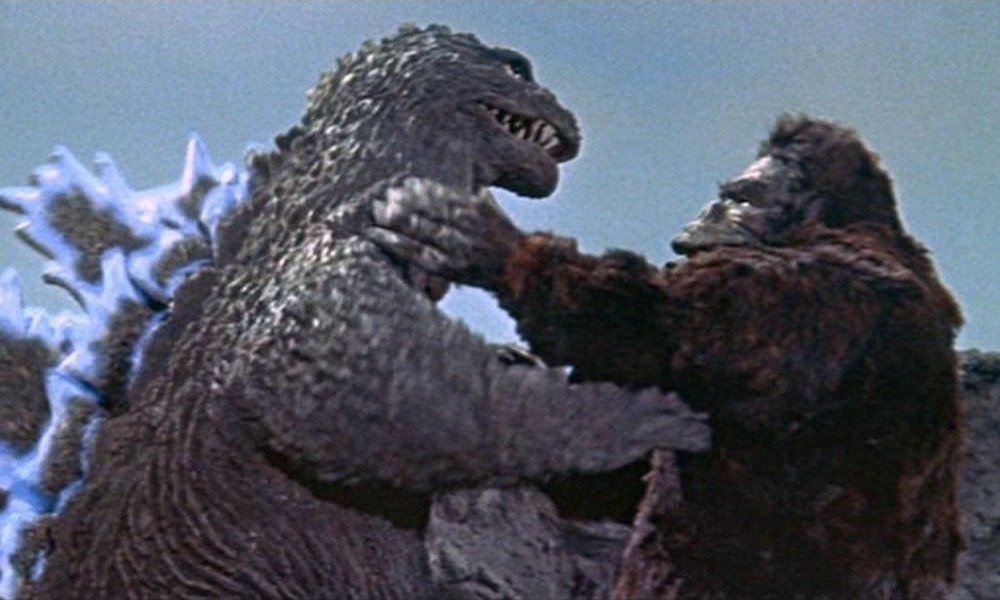
Well, we’re finally back on track folks, with the most anticipated action movie of the summer, King Kong vs Godzilla! No, not the 2021 super hit Godzilla vs. Kong, King Kong vs. Godzilla (1962). Fret not dear readers, we’ll get there. But first, WRESTLEMANIA!

In the 1950s to early 1960s Japanese Pro-Wrestling was starting to take off. Inspired by American counterparts, the Japan Pro Wrestling Alliance (JPWA) recruited from Sumo and Judo leagues. The founder, Rikidōzan, was born in Korea and moved to Japan to practice Sumo, then traveled stateside to compete in the National Wrestling Alliance. Originally introduced as a villain, Rikidōzan actually gained popularity and started defeating a ton of his American opponents. This especially endeared him to audiences back overseas as a hometown hero who stood up to the dirty, cheating Americans (his fellow athletes embraced the role as heels, giving audiences a cathartic boost in postwar Japan). Rikidōzan was unfortunately killed by a friggin yakuza gangster in a nightclub in 1963.

Read More

Mothra (1961)

At the turn of the 20th century, new advances in technology shocked the world and connected us more than ever. Rapid expansion of the railroads gave manufacturers access to a wealth of raw materials and before long the popularization of automobiles and the combustion engine made travel more accessible to more people all over. The Wright Brothers’ first flight in Kitty Hawk in 1903 would lead to mankind’s access to the skies, and with it, access to some of the last untouched places on earth. Paired with the development of film, small portable cameras, and recording equipment, an interest in anthropological expeditions boomed to bring strange sights and reports of native customs to audiences around the globe. Adventures to pre-industrial tribes were popularized in pulp novels and magazines, and influenced film and television for decades to come. Taking more than a few queues from 1933’s King Kong, it is in this wondrous, curious, and exploitative vein that brings us Ishiro Honda’s 4th kaiju installment: Mothra. (His 3rd after Godzilla and Rodan being Varan The Unbelievable… a story for another time).

Read More

Rodan (1956)

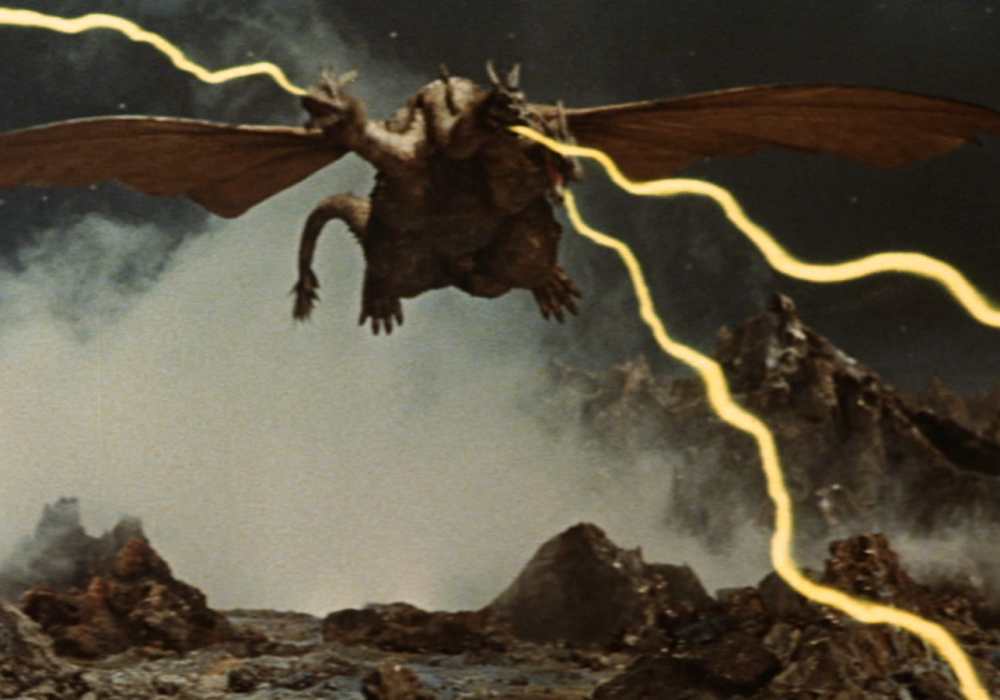
Dear readers, to-day we break from the official Godzilla franchise to preach the Good Word of Rodan, the Flying Monster! I am not too proud to admit, brothers and sisters, that I was once not a fan of Rodan. It’s true! Yes, a dark shame clouded my past. I too, was a living wretch. I too, was steeped in sin and degeneracy. I too, did not recognize…the Higher Power. WAY up on High. High in the SKY! I was once lost, good people, but now I am FOUND! I see the LIGHT! Sing it from the mountaintops with me, brothers and sisters: RODAN KICKS ASS

Read More