Godzilla: Final Wars (2004)

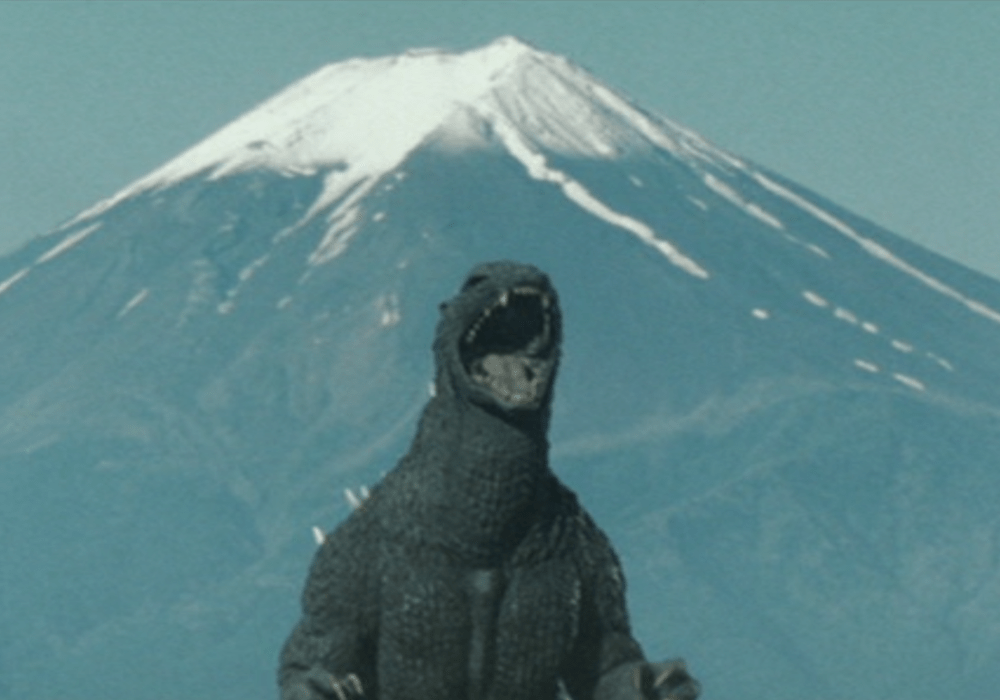
Fifty years. FIFTY YEARS! Five DECADES worth of Godzilla cinema. It seems so long, but in the context of human civilization, it’s a blink of an eye. Technology during this particular time was rapidly developing, leading to a boom in digital effects. A far cry from the boxy wireframes of the Dire Straits’ Money For Nothin’, CGI had recently been pushed to its limits and used to spectacular effect in major film franchises like The Matrix, The Lord of the Rings, and Harry Potter. So where does that leave Godzilla? For fifty years and seven actors, the King of the Monsters has been portrayed by a guy in a suit. RIP, Kenpachiro Satsuma who recently passed away. Some films have toyed with these new tools, but nothing as pervasive as their Hollywood counterparts. 2004’s Godzilla: Final Wars embraced this debate over digital and practical effects in microcosm, stealing a lot from the Wachowski’s Matrix films in the process.

Godzilla: Tokyo S.O.S. had the poorest box-office haul ever, but there was no way Toho was going to let the 50th anniversary of Godzilla fall by the wayside. The Millennium era hadn’t hit the mark with new audiences, except for a niche few like myself. The franchise was languishing, and numbers drive production. This isn’t the first time Godzilla stared down the barrel of obscurity, and producer Shogo Tomiyama recognized that reality. Toho would produce one last, big, swing-for-the-fences film to mark Godzilla’s anniversary, before going dormant as they had done after Terror of Mechagodzilla and Godzilla vs. Destoroyah, waiting for the next generation to take up the mantle. Enter Ryuhei Kitamura, a young filmmaker bucking the trend of safe, formulaic, cookie-cutter productions that conservative studio execs were going for, but were no longer delivering.

Read More
Godzilla vs Gigan (1972)

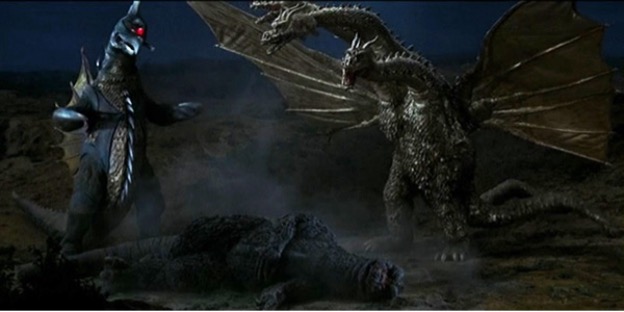
It’s a shame producer Tomoyuki Tanaka disliked 1971’s Godzilla vs. Hedorah so much. The following year, after recovering from illness, he set out to get the Godzilla franchise back to basics. With Japan’s film industry in steady decline, the budgetary woes continued for Toho. The rise in popularity of television and big-budget imports from Hollywood lead to the Japanese studios cutting corners all over the place. In a few years, 1975 would mark Japanese-made films falling to below 50% market share. Like All Monsters Attack, Gigan relies heavily on stock footage, though a new monster was created for this one, and man does it rock. In another cheap move, they also use recycled music from Akira Ifukube’s other movies for the score, and uh, yeah, occasionally that works out. Jun Fukuda helms the project as director, seeking to right the ship, and special effects director Teruyoshi Nakano is back for round two after his spectacular work with Hedorah. The Godzilla suit from Destroy All Monsters is used for the fourth time, and sadly this will be the final film Haruo Nakajima will play Godzilla. Nakajima has been with us from film one, bringing Godzilla’s familiar mannerisms to life, and he will be missed.

Read More

Godzilla Singular Point (2021)

I thought I’d mix it up a little and review Godzilla Singular Point, Netflix’s new anime. I’ll add the caveat that I used to watch a bunch of anime in the 90s/00s, but I really don’t like much of it anymore. Mostly because of how many common tropes and pitfalls just ruin the genre for me. Singular Point definitely employs a lot of them, but there’s some fun stuff and it will be good to knock this one out while it’s still on Netflix. The series is definitely too long for its own good, and suffers from chronic cases of Cutesy Bullshit and Pretentious Exposition. It would have been better if they had boiled the plot into 4-6 episodes like the first season of Castlevania, but the animation has a unique style, and the monster action is pretty cool. Godzilla himself seems to be following the Shin concept of evolving forms, the final two are good looking if criminally underused. Be patient while watching this series, dear viewers. For a series built around Godzilla, he’s barely in it.

Read More

Destroy All Monsters (1968)

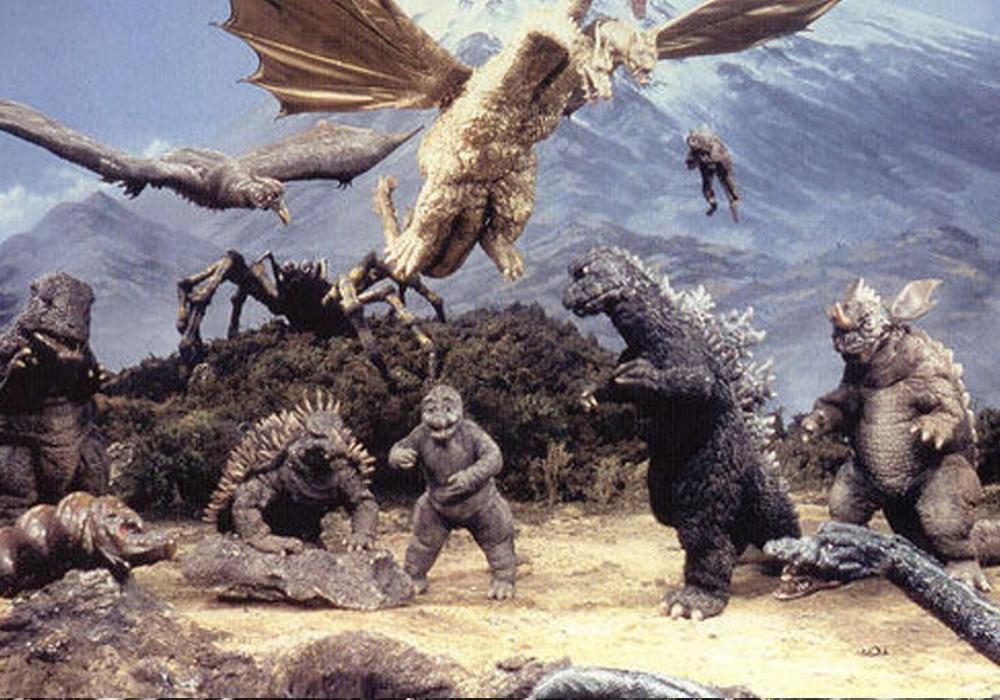
The end. Video, that mad killer, was at it again. Not content with the Radio Star, it set its sights on the kaiju eiga genre. With an expansion of variety and programming broadcast directly into people’s homes, Japan’s film industry was on a decline. And an obvious place to cut costs were special-effects heavy films like the Godzilla franchise. Props, sets, models, costumes, and post-production effects all add up, no matter how cheesy they may seem in retrospect. And so rang the the death knell for Godzilla. Deciding to go out with a bang, producer Tomoyuki Tanaka got director Ishiro Honda back together with composer Akira Ifukube and special effects supervisor Eiji Tsuburaya for 1968’s monster melee hit Destroy All Monsters. Sporting a total of eleven monsters, this film showcases all of Toho’s other creatures that never found their way into a Godzilla film like Varan, Manda, Gorosaurus, and Baragon. The team definitely went all-out for this last hurrah.

Read More