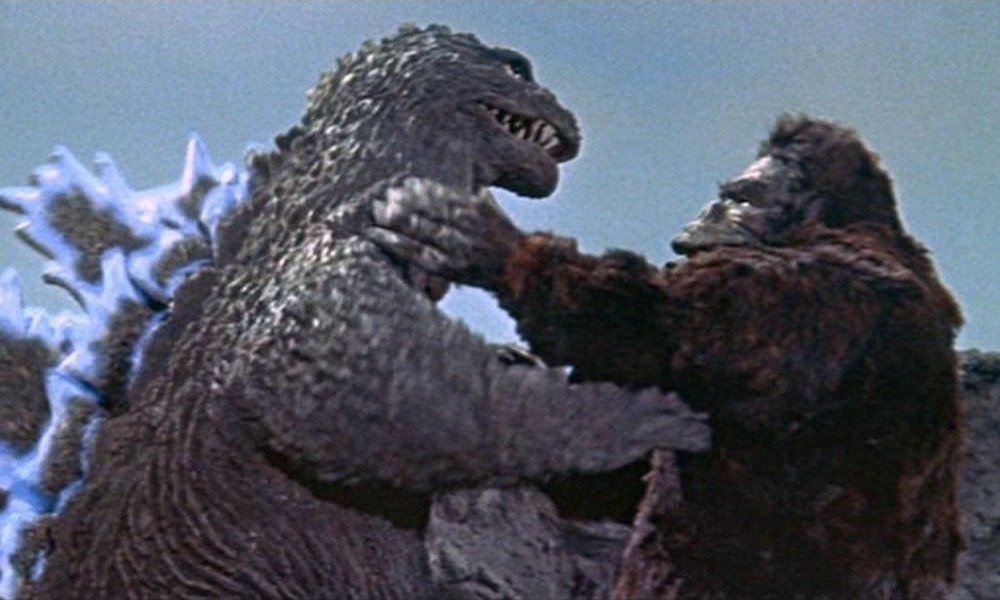
Well, we’re finally back on track folks, with the most anticipated action movie of the summer, King Kong vs Godzilla! No, not the 2021 super hit Godzilla vs. Kong, King Kong vs. Godzilla (1962). Fret not dear readers, we’ll get there. But first, WRESTLEMANIA!
In the 1950s to early 1960s Japanese Pro-Wrestling was starting to take off. Inspired by American counterparts, the Japan Pro Wrestling Alliance (JPWA) recruited from Sumo and Judo leagues. The founder, Rikidōzan, was born in Korea and moved to Japan to practice Sumo, then traveled stateside to compete in the National Wrestling Alliance. Originally introduced as a villain, Rikidōzan actually gained popularity and started defeating a ton of his American opponents. This especially endeared him to audiences back overseas as a hometown hero who stood up to the dirty, cheating Americans (his fellow athletes embraced the role as heels, giving audiences a cathartic boost in postwar Japan). Rikidōzan was unfortunately killed by a friggin yakuza gangster in a nightclub in 1963.
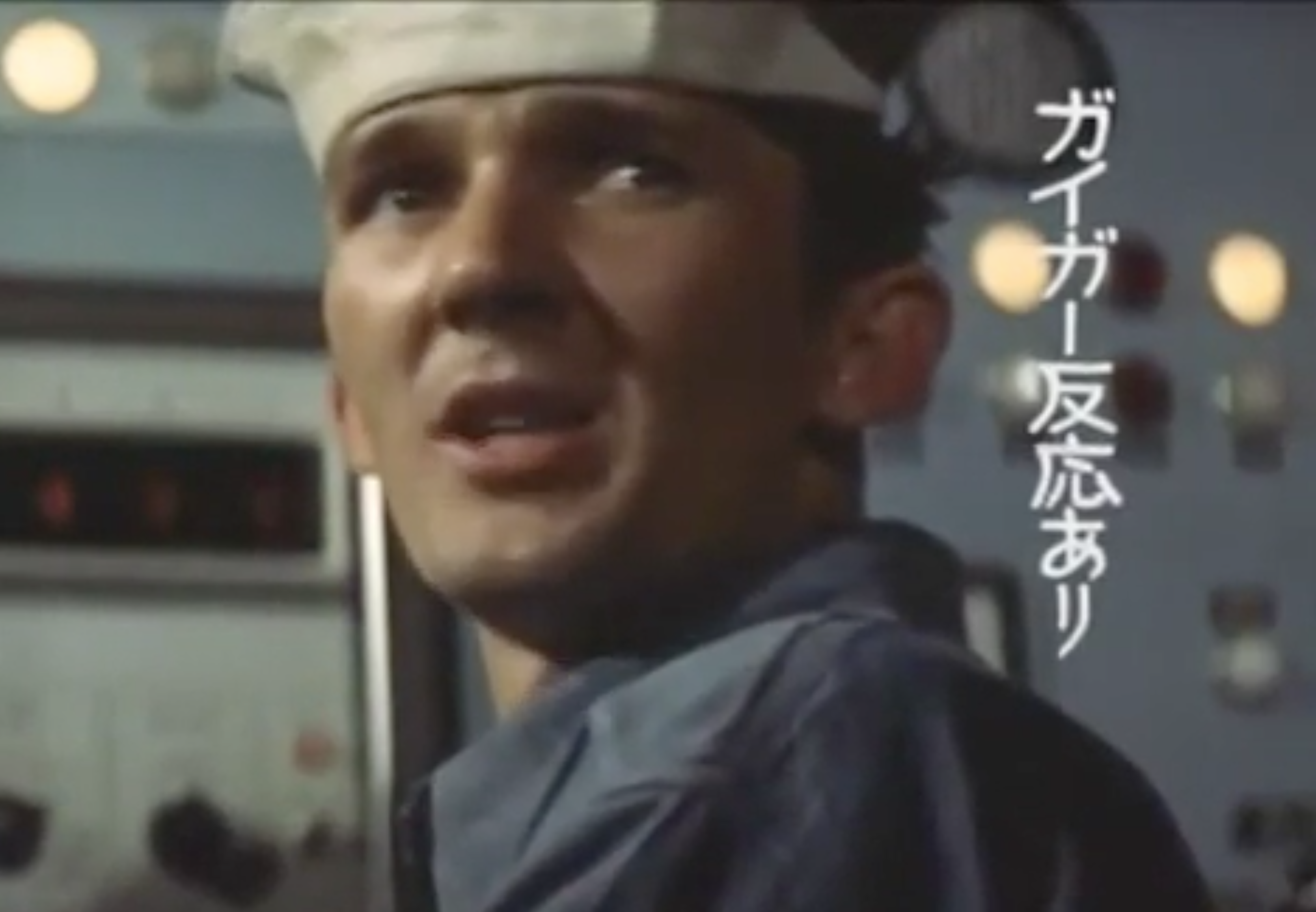
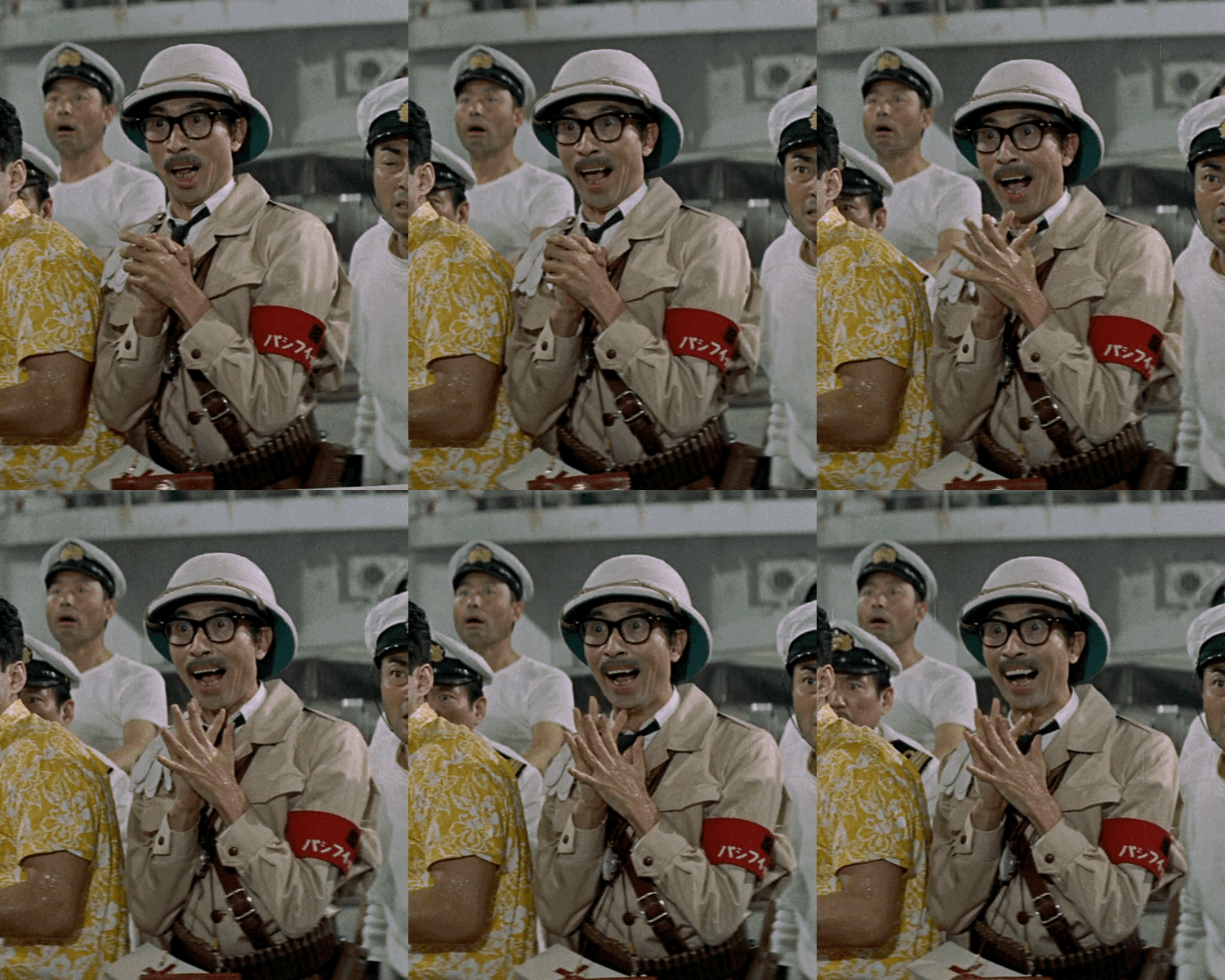
By 1962, first Golden Age of Television had collapsed to sensationalism, syndication, and ratings wars. Networks and sponsors set up ridiculous publicity stunts in the ubiquitous hunt for market share. This increased in Japan after a wrestling match aired that was so extreme, two elderly viewers died. Thus brings us to the main plot vehicle of King Kong vs. Godzilla and we follow two employees of Pacific Pharmaceuticals, who sponsor a science program that’s getting low ratings. How do you fix this financial mess? Why focus on putting out the best medical product your company can provide when you can exploit a giant monster discovered on a southeast island? Yep, that’s the brainchild of the head of Pacific Pharmaceuticals, Mr. Tako, played by the comically brilliant Ichirō Arishima. The film does a great job skewering corporate greed, and the hubris of the American military as they are the ones who release Godzilla from his icy slumber. Subtitles for the American crew are presented vertically on the right side of the screen, which I had never really considered before, but it makes sense, and it’s fun to see in action.
The American version and Japanese version were both big hits, but the American version does offer up a more cohesive plot at the expense of some comedic scenes and biting satire. Tako’s greed knows no bounds in either though. Ishiro Honda returns for only his second Godzilla movie, having missed out on Godzilla Raids Again, and Toho having undergone a 7 year hiatus from the Godzilla property. Eiji Tsuburaya also returns, and said he couldn’t pass up the opportunity, what with Kong being what inspired him to go into special effects when he saw it in 1933. He wanted to use stop-motion instead of suit-motion but it just wasn’t in the budget. There is one small shot where he did manage to squeeze it in with Godzilla dropkicking Kong off a cliff. He’s also the one who pushed for lighter, more comedic action scenes and embraced the pro-wrestling moves that would come to define the remainder of the Showa era, much to the chagrin of Honda and other effects artists, but to great delight with Toho executives who could market these films to children in a way they couldn’t with, say, Rodan. In a way, King Kong vs. Godzilla embodies the very greed and spectacle it lampoons.
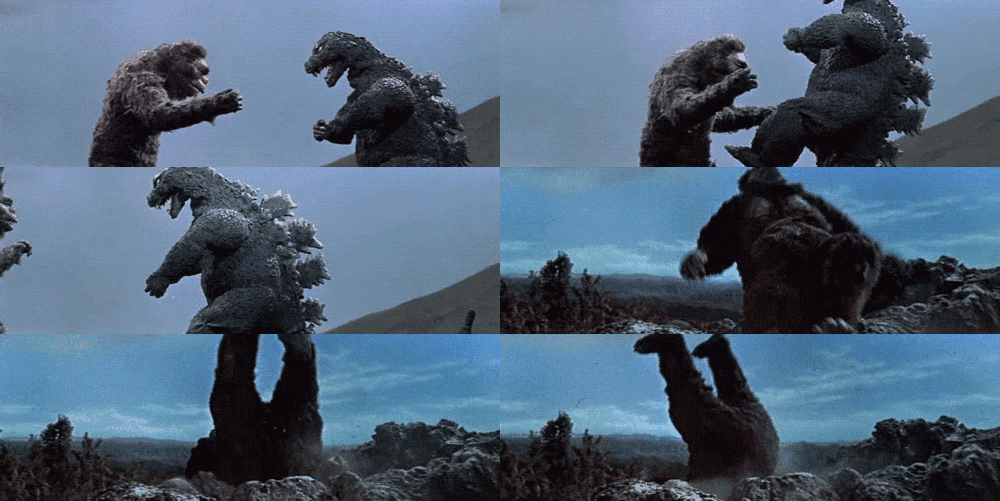
A new Godzilla suit was crafted for this outing, making him more explicitly reptilian, but also providing for a wider range of motion, allowing for more distinct wrestling moves, and allowing the actor Haruo Nakajima to flap his arms about tauntingly. This being the first Godzilla film in color, Eiji also introduces the iconic blue glow as his dorsal plates charge up. The Kong suit is a little goofy, and features two sets of arms, one longer and operated with poles to give a more elongated monkey look, and another set that was shorter, but gave actor Shoichi Hirose the manual dexterity to grapple with Godzilla and hold objects like boulders and trees.
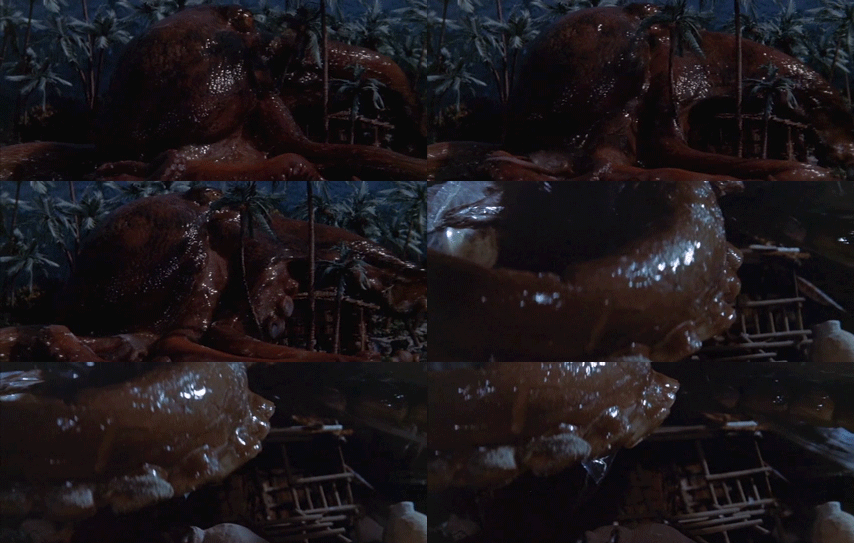
At the outset of the film, we do encounter some awfully applied blackface when we meet the natives of Faro Island, a continuation of the trend established in Mothra, one that won’t be abandoned for a while. The pair of Pacific Pharmaceutical employees, Osamu Sakurai and Kinsaburo Furue (played by Tadao Takashima and Yū Fujiki respectively) win over the natives with the miracle of radio! invoking Arthur C. Clarke’s law about technology and magic. A few packs of cigarettes help grease the wheels too, and what the hey, the kid can have one too right? Yeah, they know they’re terrible… One of the craziest highlights of the film comes before the big match as an actual live octopus is used to attack the village! This thing is slimy and crazy, and played by four live octopuses, supplemented by some models and stop motion. The way it tears through the tiny village model is a goddamn joy, but the filmmakers couldn’t exactly put a “no animals were harmed in the making of this film” byline at the end — while three were released back into the wild, Tsuburaya ATE THE LAST ONE. I absolutely love Eiji Tsuburaya for this.
In this film, Godzilla appears to have a weakness against electricity, something that will be incredibly inconsistent moving forward but it makes for some hilarious plot devices here. As Godzilla returns to Japan, Kong is literally airlifted in specifically to fight him with a bunch of balloons. Onlookers take bets, and Mr. Tako squeals at the popularity of “his” monster boosting the ratings. To corral Godzilla and Kong into the same space, high tension wires are set up that deter Godzilla…but seem to make Kong stronger. This will come in handy towards the battle’s climax when Kong is struck by lightning and empowered with shock punches! Yeah this movie is a TRIP. Who knew Peter Gabriel was such a kaiju fan?

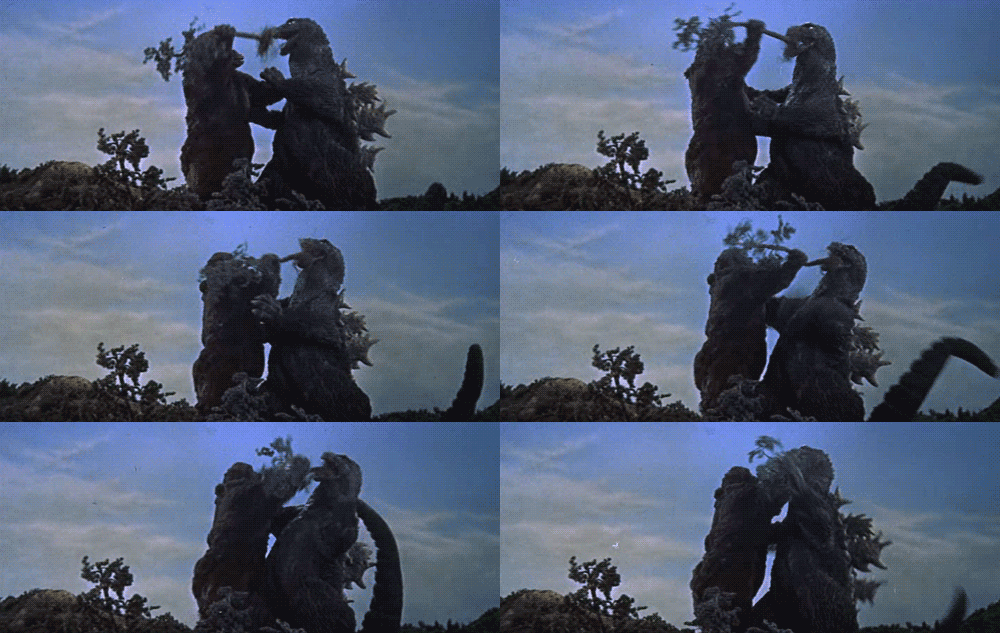
Imbued with the power of love and thunder, Kong hands Godzilla his ass, and even shoves a goddamn tree down his throat. They duke it out destroying Atami Castle on Mount Fuji, and fall into the ocean, with only Kong emerging the clear victor. With Godzilla being a solid villain at this point, the choice was clear, but urban legends circulated for years that he beats Kong in the Japanese version. I remember hearing these strange tales, and buying into them in the days before wikipedia came to life as the juggernaut of a community-maintained well of knowledge it is today.
King Kong vs. Godzilla is fun romp that deviates from the grim might of untamed nature and sets the stage for the lighter, kid-friendly tone of future films. Not the strongest of Honda’s entries, but a classic in its own right. Honda’s jabs at corporations putting profits over people land solidly, even as the studio starts to warp his original vision. But do what you love, and you’ll never work a day in your life. And if one thing comes across in all of these films, Ishiro Honda loves making movies.
 Godzilla Vs...!