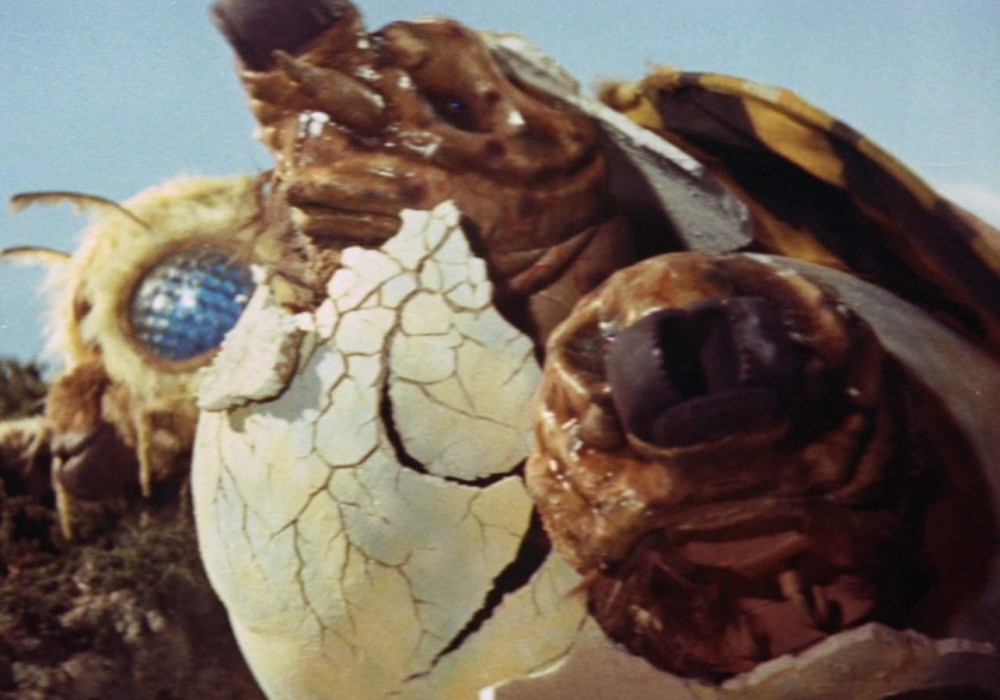
Mothra vs. Godzilla (1964)

Japan’s economic engine in the 1960s stemmed from the Korean war a decade prior. In an economically depressed postwar nation, acting as a staging area for UN troops to fight the ubiquitous threat of communism kick-started a massive transformation across the country. With many industrial centers being destroyed in WWII, Japan was able to rebuild with the latest technology and politically invested in robust economic expansion. The nation saw agricultural, rural population move from 85% prewar, to 50% in 1945, to just 20% by the 60s. The country shifted focus towards production of high-quality consumer products and urban infrastructure. While this rising tide did indeed lift all ships, it wasn’t without flaws or social cost. Japan is unique in being one of the only collective capitalist nations, relying on tight-knit business relationships, companies owning shares in each other, creating cartels that control the supply chain from manufacture to distribution, and deeply embedded government partnerships. The cronyism and rampant greed are on full blast here in 1964’s Mothra vs. Godzilla.

Read More
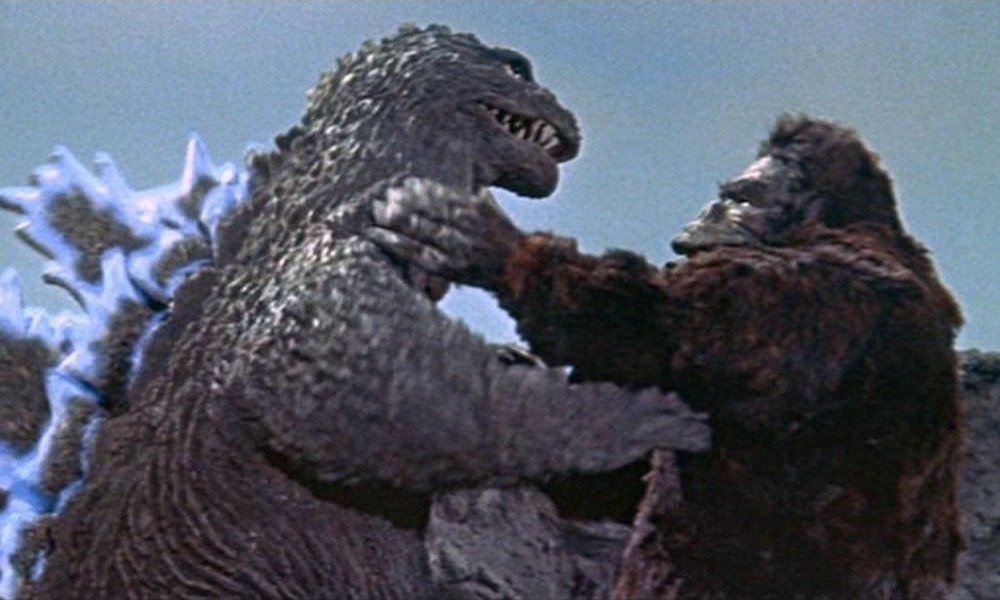
King Kong vs. Godzilla (1962)

Well, we’re finally back on track folks, with the most anticipated action movie of the summer, King Kong vs Godzilla! No, not the 2021 super hit Godzilla vs. Kong, King Kong vs. Godzilla (1962). Fret not dear readers, we’ll get there. But first, WRESTLEMANIA!

In the 1950s to early 1960s Japanese Pro-Wrestling was starting to take off. Inspired by American counterparts, the Japan Pro Wrestling Alliance (JPWA) recruited from Sumo and Judo leagues. The founder, Rikidōzan, was born in Korea and moved to Japan to practice Sumo, then traveled stateside to compete in the National Wrestling Alliance. Originally introduced as a villain, Rikidōzan actually gained popularity and started defeating a ton of his American opponents. This especially endeared him to audiences back overseas as a hometown hero who stood up to the dirty, cheating Americans (his fellow athletes embraced the role as heels, giving audiences a cathartic boost in postwar Japan). Rikidōzan was unfortunately killed by a friggin yakuza gangster in a nightclub in 1963.

Read More

Mothra (1961)

At the turn of the 20th century, new advances in technology shocked the world and connected us more than ever. Rapid expansion of the railroads gave manufacturers access to a wealth of raw materials and before long the popularization of automobiles and the combustion engine made travel more accessible to more people all over. The Wright Brothers’ first flight in Kitty Hawk in 1903 would lead to mankind’s access to the skies, and with it, access to some of the last untouched places on earth. Paired with the development of film, small portable cameras, and recording equipment, an interest in anthropological expeditions boomed to bring strange sights and reports of native customs to audiences around the globe. Adventures to pre-industrial tribes were popularized in pulp novels and magazines, and influenced film and television for decades to come. Taking more than a few queues from 1933’s King Kong, it is in this wondrous, curious, and exploitative vein that brings us Ishiro Honda’s 4th kaiju installment: Mothra. (His 3rd after Godzilla and Rodan being Varan The Unbelievable… a story for another time).

Read More